About
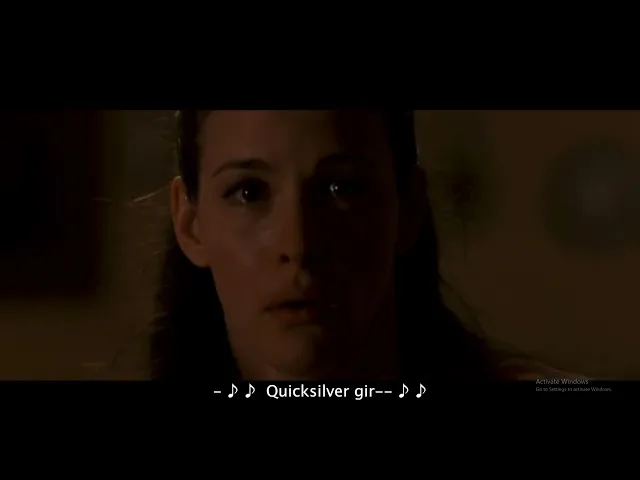
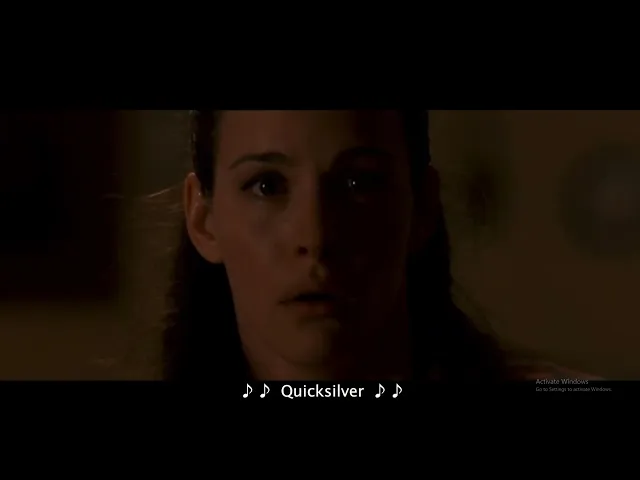
This case study explores how enhanced captions—featuring emotional tone, music cues, and environmental sounds—can improve comprehension and immersion for Deaf and Hard of Hearing (DHH) viewers. Participants compared standard vs. enhanced captions across three well-known film clips.
Problem/Statement
Standard captions often lack emotional tone, music cues, and background sounds—making it harder for Deaf and Hard of Hearing (DHH) viewers to fully connect with the content. This missing context reduces immersion and emotional clarity during key moments in film and TV.
Goal/Objective
The goal was to explore whether Enhanced Captions—those with emotion, music, and sound details—could improve comprehension and engagement for DHH viewers, and to show why this richer captioning experience should be more widely available.
Research Methods
We conducted a comparison study using short film clips, asking participants to watch both standard and enhanced caption versions. Feedback was collected through surveys measuring clarity, emotional impact, and overall preference.
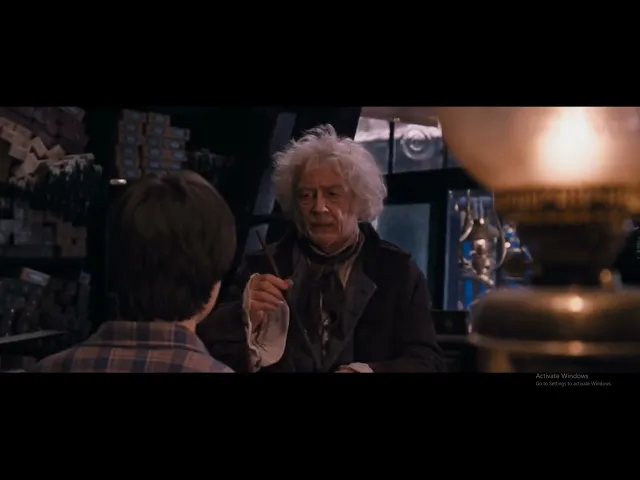
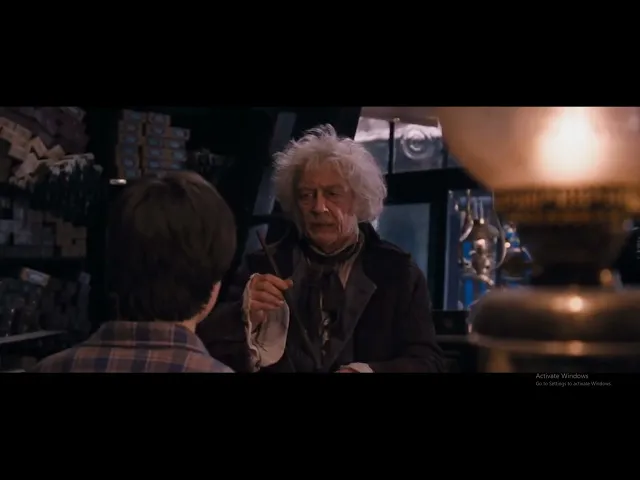
Compare both caption styles to see how enhanced captions boost clarity and create a more immersive experience.
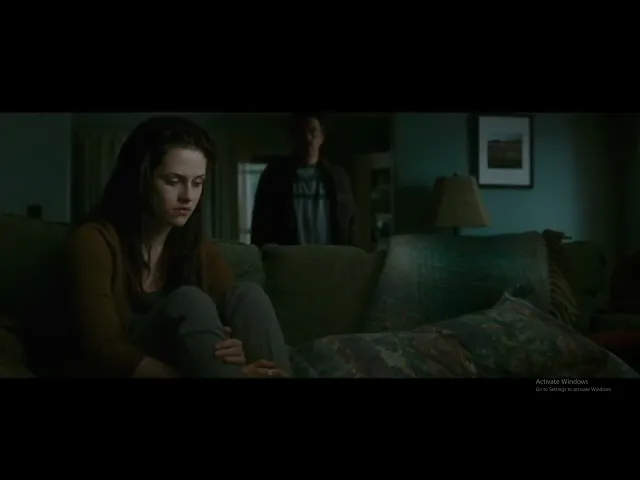
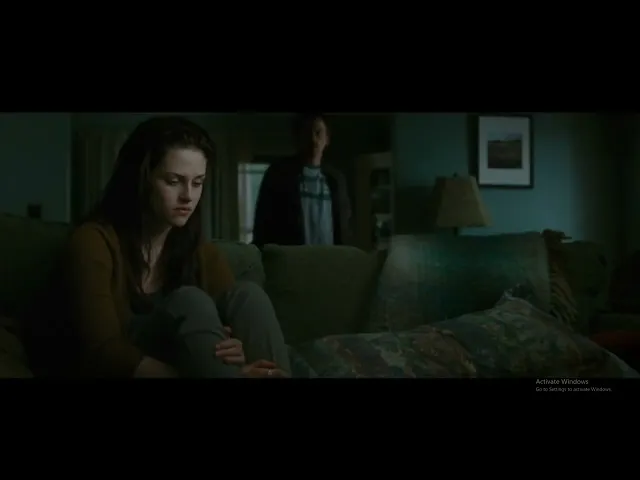
Compare both caption styles to see how enhanced captions boost clarity and create a more immersive experience.
Key Findings
Participants overwhelmingly preferred Enhanced Captions over Standard Captions across all video clips.
➡ 85% of participants preferred Enhanced Captions over standard ones.
➡ Enhanced Captions were rated “Very Clear” by 22 users, while only 5 said the same for Standard Captions.
➡ Users said Enhanced Captions made scenes more engaging, especially in emotional or dramatic moments.
➡ 79.3% said Enhanced Captions are “Extremely Important” for streaming platforms.
➡ The same 79.3% want Enhanced Captions to be widely available. No one rated Enhanced Captions below “Neutral.”